
University of Debrecen performs more than 1,200 robot-assisted surgeries
The University of Debrecen has been using the Da Vinci robotic surgery system since 2024. Since its introduction, more than 1,200 robot-assisted procedures have been performed at the institution in general surgery, gynecology, thoracic surgery, otolaryngology and urology. Specialists presented their experience with the technology, as well as its potential for medical education and research, at a forum held at the university. Students and residents attending the event also had the opportunity to try out robotic surgery simulation systems.
“This is a fantastic world. It is inspiring for all of us that this interactive exhibition has now arrived at the University of Debrecen. I consider it extremely important for our students to become familiar with this cutting-edge technology as early as possible and gain practical experience for their future careers. I believe that this can provide future doctors with knowledge and skills that may remain decisive throughout several decades of their professional lives,” said Professor László Mátyus, chairman of the board of trustees of the István Tisza Foundation for the University of Debrecen, at the opening of Monday’s Robotic Surgery Forum.
The university launched its robotic surgery programme in 2024, when the Da Vinci surgical system was installed and the Robotic Surgery Centre was established. In spring 2026, the university expanded its equipment with another robot-assisted surgical system.
“This technology is a great help, but it is not enough on its own: the knowledge and experience of excellent surgeons are also essential. The robot-assisted system must be operated by a human, and doctors must make the decisions. We cannot hand these responsibilities over to either artificial intelligence or robots. Robotic surgery is a very successful field at the University of Debrecen, but we are nowhere near the end of the road; we are only at the beginning, as these technologies are constantly evolving and we must continue learning,” said Professor Zoltán Bács, rector of the University of Debrecen.
“Robotic technology creates new opportunities for doctors, the university and, above all, patients. I hope that it will become possible to use this technology in an increasing number of medical specialties in the future, supported by the necessary funding,” he added.
The first robot-assisted operation at the Clinical Centre of the University of Debrecen was performed in April 2024. The procedure was a cholecystectomy, or gallbladder removal. In the two and a half years since then, more than 1,200 robot-assisted surgeries have been carried out.
The technology is now used in five specialties: general surgery, urology, gynecology, otolaryngology (ear, nose and throat medicine) and thoracic surgery.
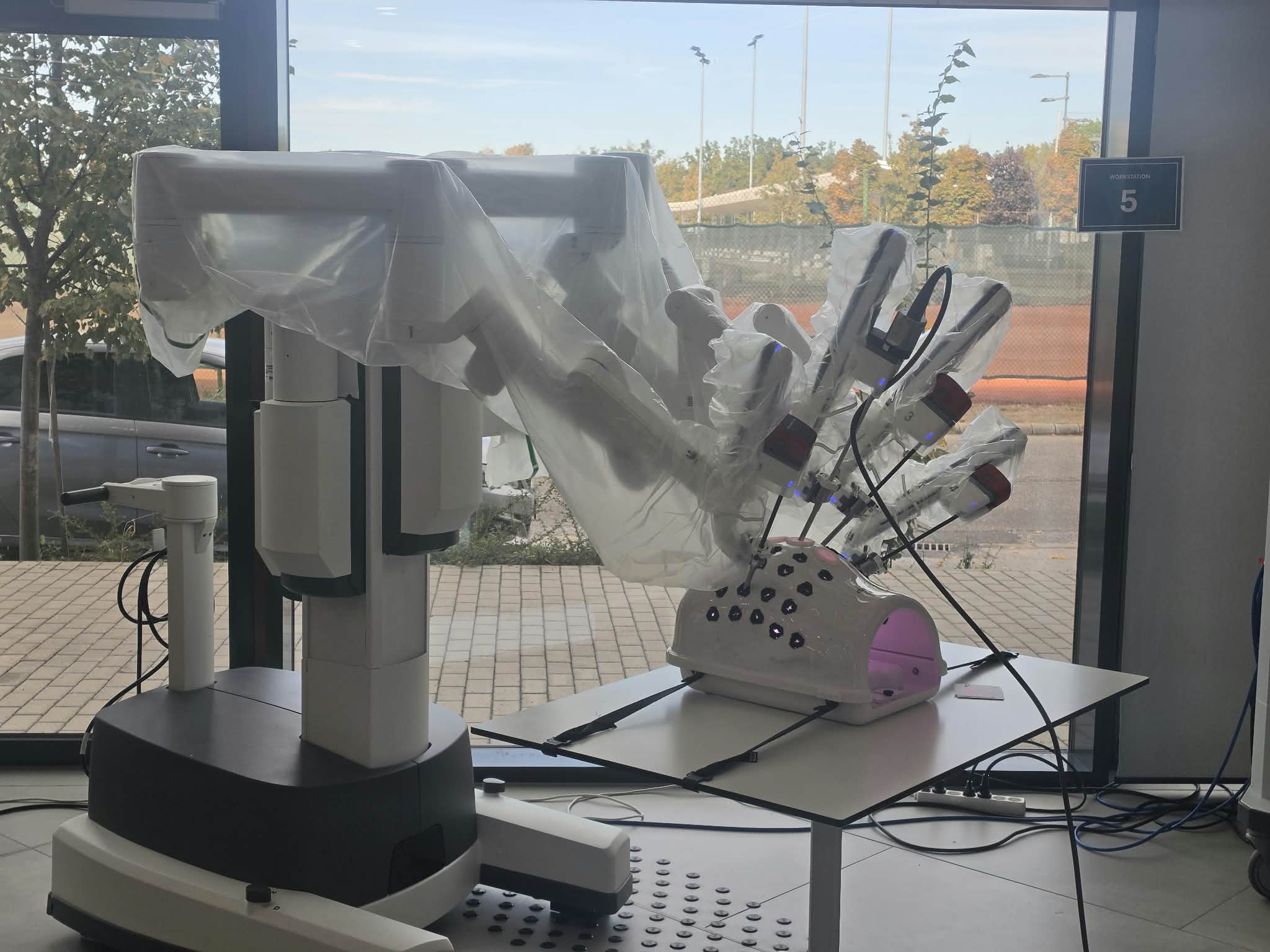
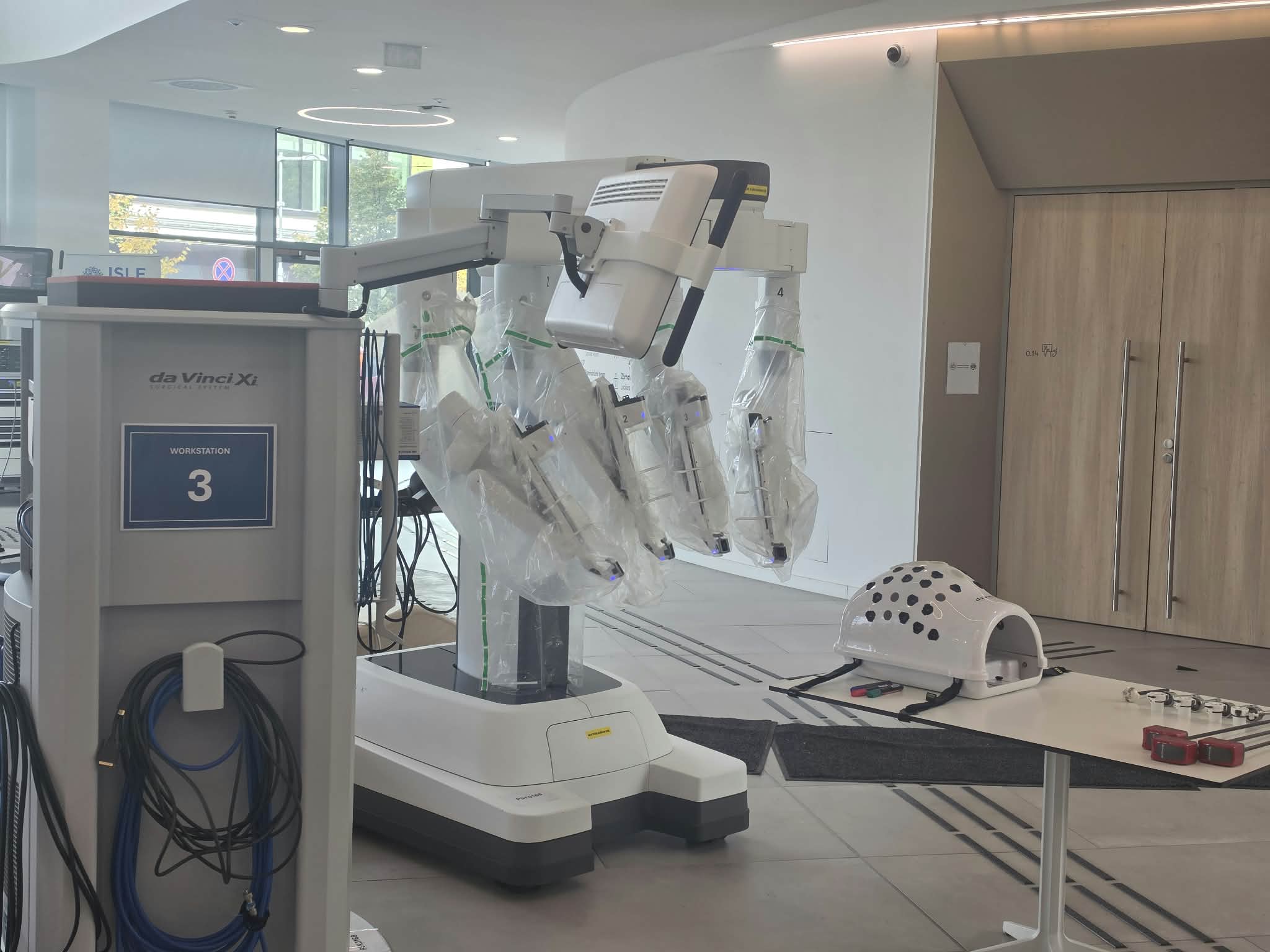
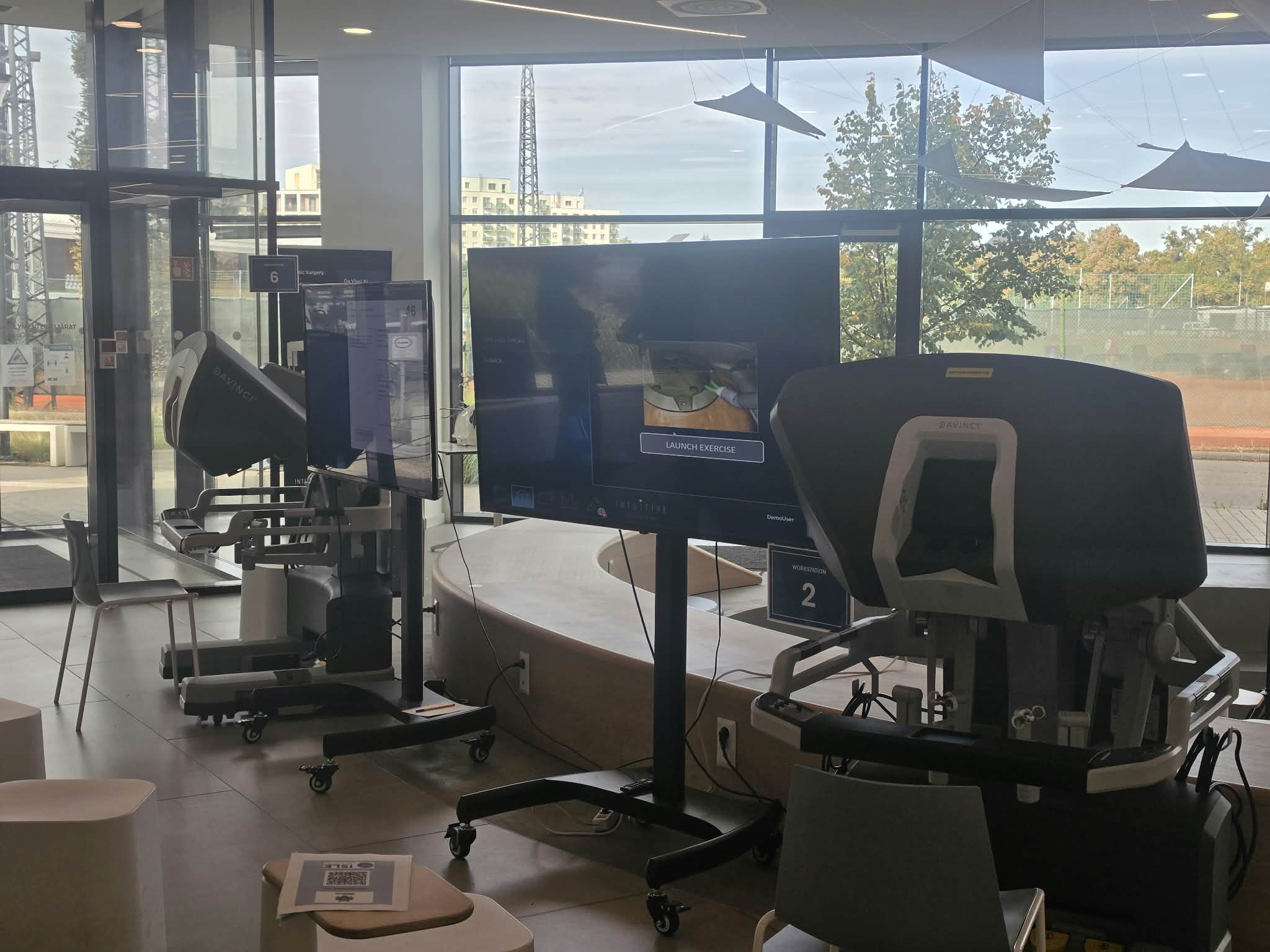
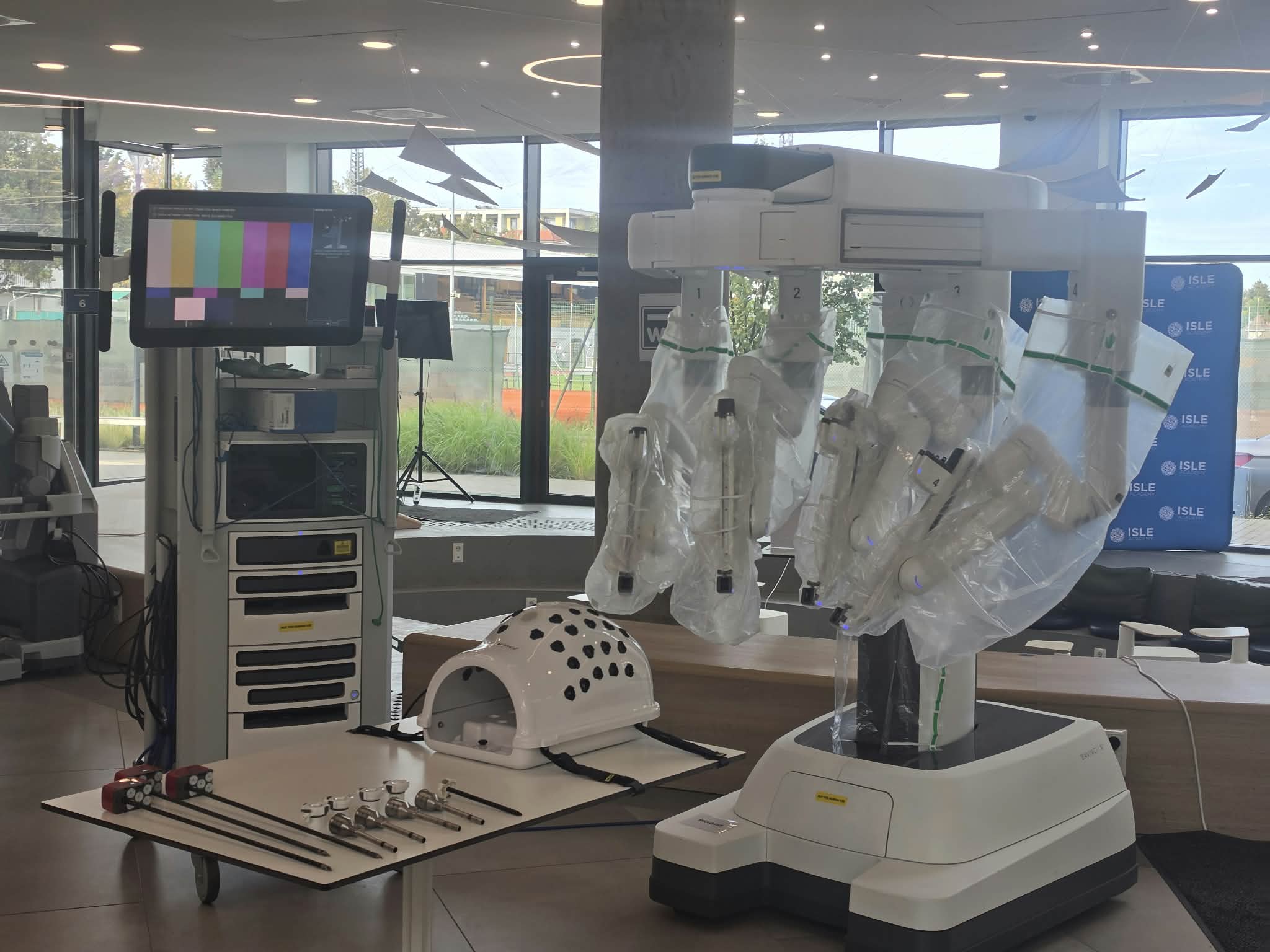
“The Clinical Centre of the University of Debrecen offers excellent opportunities for performing robot-assisted procedures in abdominal surgery, thoracic surgery, gynecology, urology and otolaryngology. I would particularly highlight that, as a culmination of our achievements so far, we now have two leading surgeons who not only perform these operations but also train other specialists as proctors. It can be stated that our Clinical Centre has now put itself on the international map of robotic surgery,” emphasized Professor Zoltán Szabó, president of the Clinical Centre.
Robotic surgery also offers new opportunities for theoretical and practical medical education. One of the main objectives is to integrate this advanced technology more effectively into undergraduate and postgraduate medical training.
Throughout the week, students can try out robotic surgery simulators and related virtual reality systems installed by ISLE ACADEMY in the university’s Learning Center. More than 400 students have registered for the practical sessions.
“It is important to emphasize that the robot is not the one performing the surgery. The robot is a technology that enables extraordinary precision in movements. However, these movements must be learned, and simulation-based training can only build on fundamentals that have been mastered to a high standard,” said Professor Norbert Németh, dean of the Faculty of Medicine.
He expressed his hope that one of the participants trying out the systems at the event would become a robotic surgeon in the future and reach the high professional standards already achieved by the university’s current surgeons.
On the first day of the forum, university specialists delivered presentations on Debrecen’s robotic surgery model and the technology’s potential in education and patient care. The sessions also covered its applications in gynecology, urology, head and neck oncology, and thoracic surgery.
(unideb.hu)