
Home prices have soared far beyond PM Orbán’s promises: even panel flats in Budapest are becoming unaffordable
Budapest is quickly heading towards a future where living in a panel flat feels like a luxury. According to Otthon Centrum (OC), prices in every district have risen by double digits, with some hitting 45% increases—ironically, this applies to the cheapest housing estates in Kőbánya and Pesterzsébet. Experts expect the property market to pick up again in January, though momentum is already slowing down this autumn.
Panel flat prices skyrocket
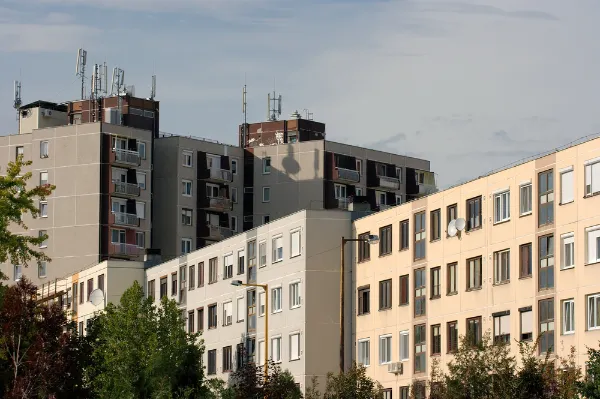
RTL News reports fierce competition even for panel flats in Budapest as prices have surged to unimaginable levels. A homeowner from Kőbánya revealed that their flat, bought for 2.5 million HUF in 1996, could now fetch around 60 million HUF.
The price hike didn’t just explode post-pandemic; the last year alone has seen sharp rises. Many investors poured their state bond returns and capital into property early this year, further fuelled by the government’s 3% cheap loan scheme. OC data show a staggering 45% price jump in some districts (like the 10th and 20th), with an average 38% rise citywide.
- Jaw-dropping price rise concerning newly built homes in Budapest
Government promises broken
In June, Prime Minister Viktor Orbán promised prices wouldn’t rise thanks to a square-metre price cap—but this measure has failed to deliver. Minister Gergely Gulyás previously insisted price increases wouldn’t surpass the help offered by the 3% loan, yet reality proved otherwise.
According to Bankmonitor, even with the 3% loan, today’s buyers must borrow 4–5 million HUF more than those buying just a year ago. József Árgyelán notes the average price for a panel flat in Budapest is now 1.1 million HUF per square metre.
- Is there still a chance for Airbnb in this Budapest district?

Fresh market uptick expected next year
Real estate experts anticipate another surge in market activity from January 2026, a seasonal trend fuelled by new builds expected on sale from February onwards—available through the discounted loan straight from the planning stage, MTI wrote.
Demand, however, is dropping nationally: September saw 20% fewer property searches as initial waves of interest from the Otthon Start scheme fade. Buyer activity in Budapest is lower than in the countryside, likely due to high prices and many flats failing the 3% loan criteria. Smaller towns, by contrast, still see strong demand.

In October, nearly 36,000 flats hit the market, 8% fewer than in September—but this still marked a four-year monthly record for listings, says ingatlan.com.
Check out more of our articles concerning the property market in Hungary.