
Nobel Prize-winning Physicist Conducts Special Research in Hungary
There are projects in Hungary that have at least as much chance of producing world-class results as abroad, said Nobel Prize-winning physicist Ferenc Krausz at the Budapest University of Technology and Economics (BME) after a lecture at the institution.
Ferenc Krausz was awarded the ”John von Neumann” Professor title at BME on Saturday, reports Magyar Nemzet. In his lecture to students, the Nobel Prize-winning physicist spoke in detail about
the work being carried out at the Center for Molecular Fingerprinting (CMF) in Hungary to develop tests for the early detection of diseases.
The scientist, who is the center’s managing director and scientific director, emphasized that the Health for Hungary – Hungary for Health (H4H) program will collect blood samples from around 15,000 volunteers over ten years to monitor their health and detect and track the development of potential diseases.
It was mentioned in the presentation that their research also supports cancer research, although the focus is not primarily on cancer. Ferenc Krausz pointed out: There is talent in Hungary, too, but we just need to make sure that if they go abroad, they come back.
He stressed that with the Research Excellence Council, which he chairs,
they are developing programs specifically aimed at bringing Hungarian excellence back to the country.
In addition, he noted that the problem is not that researchers leave the country, as they need to gain experience. The important thing is that they come back.
Ferenc Krausz, along with two French scientists, won the Nobel Prize last year for his experimental methods for producing attosecond light pulses to study the movement of electrons inside the atom. He graduated in physics from Eötvös Lóránd University (ELTE) in 1985 and obtained a degree in electrical engineering from the National Technical University of Athens. He started his research at the BME Institute of Physics and received his PhD from the Vienna University of Technology in 1991.
Since 2003, he has been director of the Max Planck Institute of Quantum Optics in Germany, since 2004 head of the Department of Experimental Physics at the Ludwig Maximilian University of Munich, and since 2019 CEO and scientific director of the Center for Molecular Fingerprinting in Hungary.
His work has been recognized with numerous awards, including the Wolf Prize. The experimental physicist was named Person of the Year in 2023 by the public media.
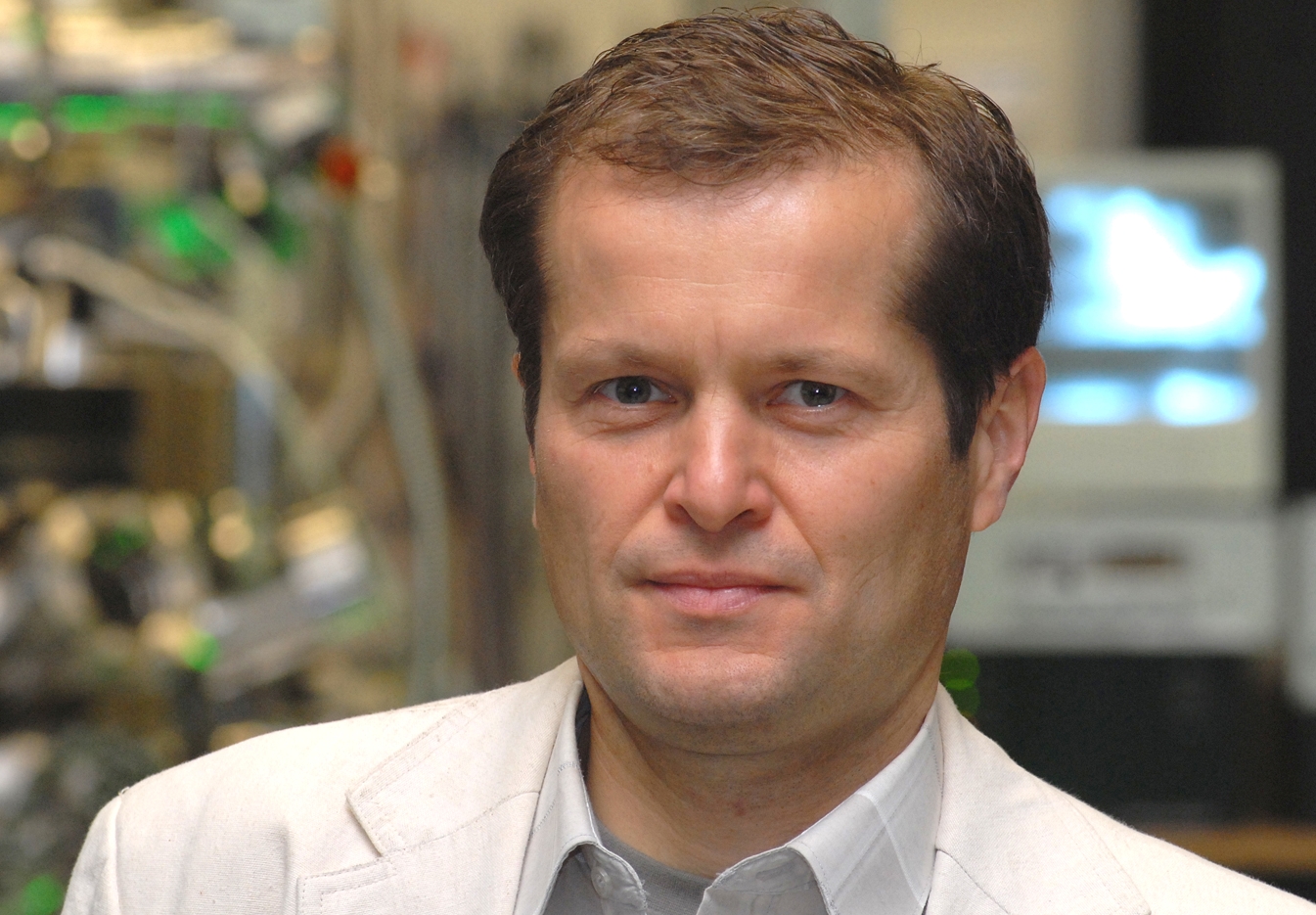
Via Magyar Nemzet; Featured image via Facebook/Budapesti Műszaki és Gazdaságtudományi Egyetem – BME
The post Nobel Prize-winning Physicist Conducts Special Research in Hungary appeared first on Hungary Today.